
Get Ready Before the FY27 VAPG Notice Opens
Plan on two to three months to get VAPG ready. Start with last year’s NOFO, confirm eligibility and SAM.gov, line up your match, and know the difference between planning and working capital grants before the FY27 notice opens.
Small Farms, Outsized Share: New England and New York
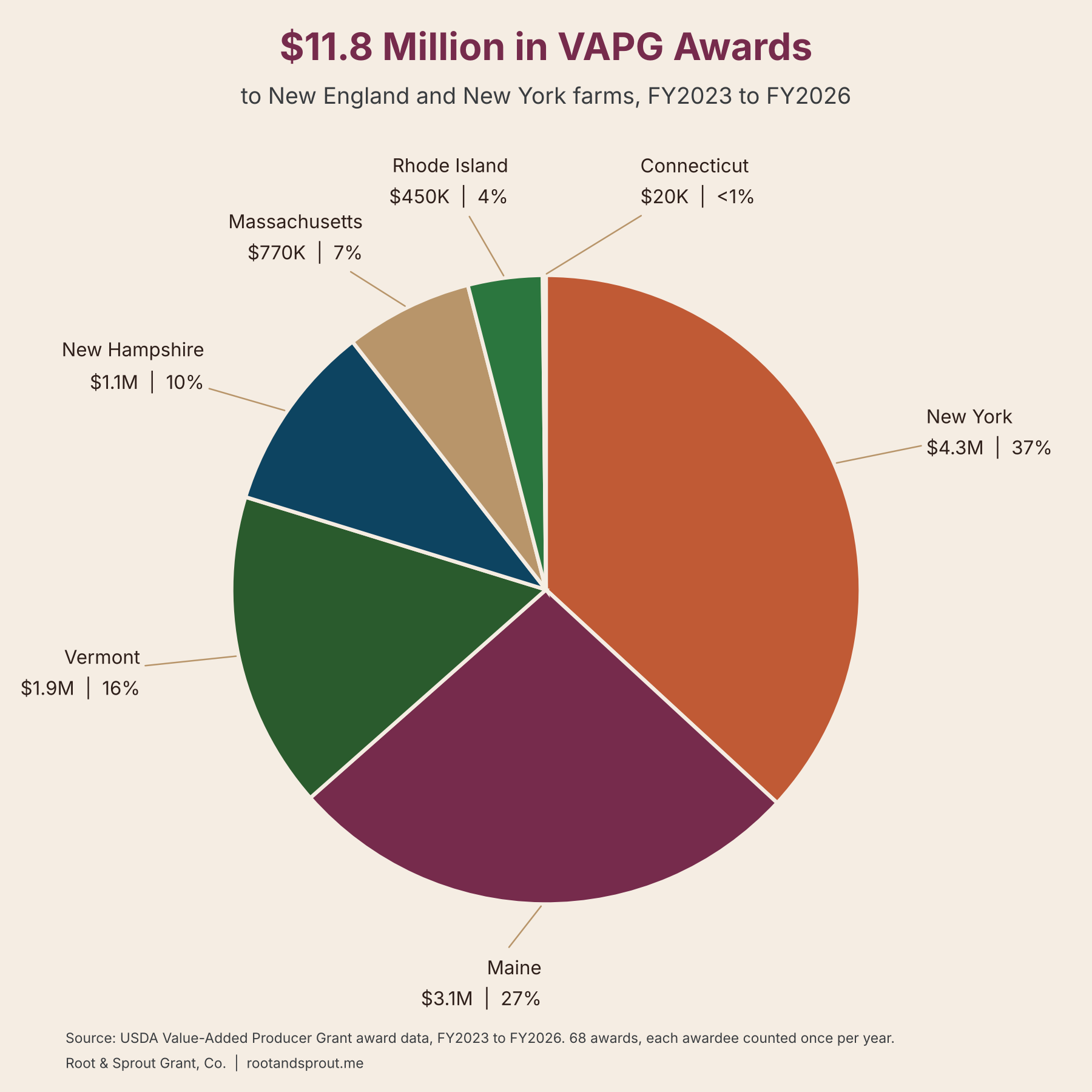
New England holds about 1.6 percent of U.S. farms but won 4 to 8 percent of VAPG awards every year from FY23 to FY26. Here is what each state won, how reviewers score, and what to watch for in FY27.
Beef For the Win?
Beef producers won 41 percent of FY26 Value-Added Producer Grant projects and 44 percent of the dollars. Four years of USDA award data show whether that is a one-time bump or a trend, and what to watch before the FY27 notice opens.
Before the Gate Opens
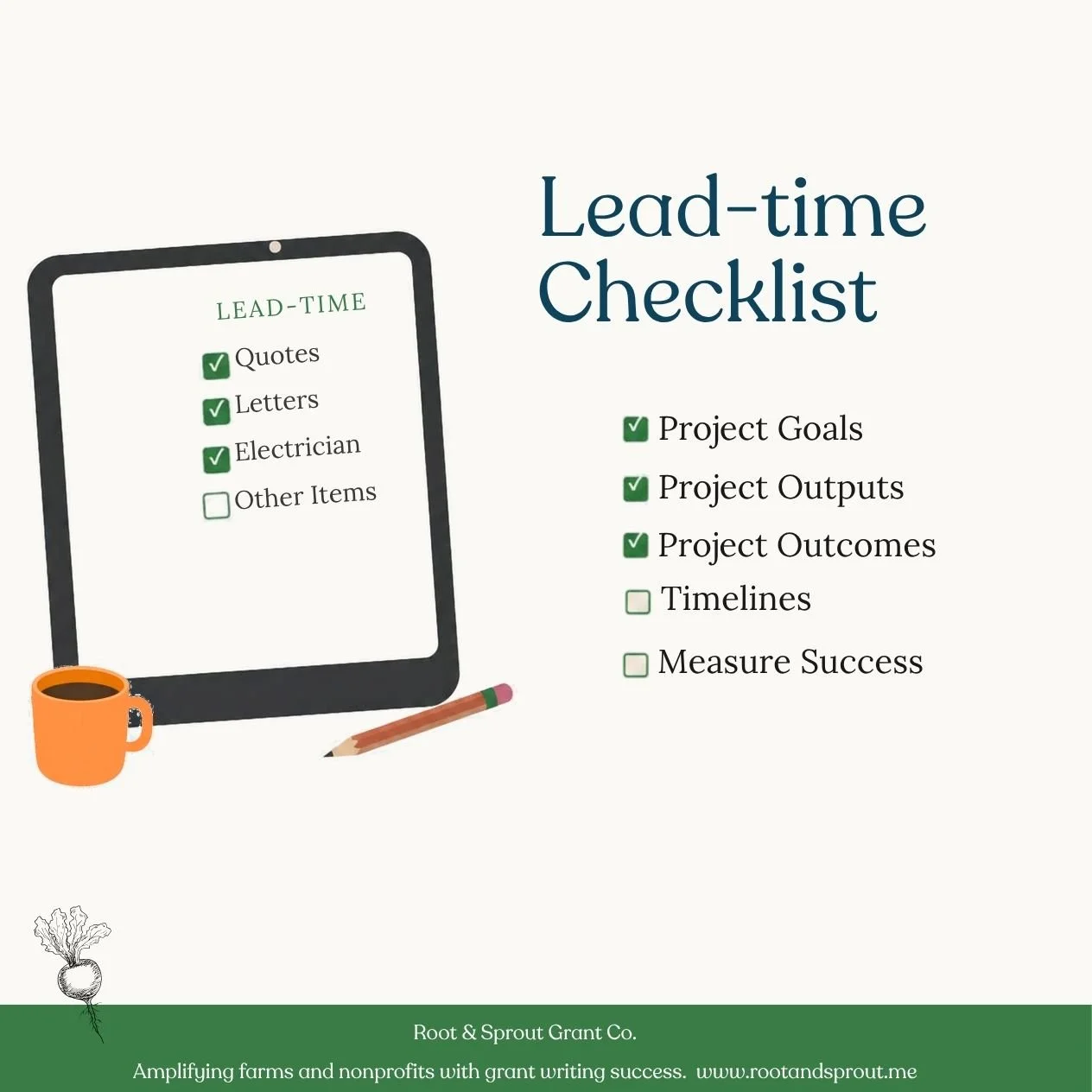
Starting early gives your project space to grow into something fundable, realistic, and aligned with your farm's future.


What is a “good project” to fund?
A brief case study of a project whose impact reaches five entities downstream.

Your Project Does Not Have to Wait
Across New England, farms are waiting longer for NRCS to reach their land, and the Northeast lost more conservation staff than almost anywhere else. When a conservation plan stalls, the whole project stalls with it. This post shows how state grants can fill the gap and keep your project moving while the federal pipeline catches up

USDA's Small Print
Federal grants are becoming harder to win and more complex to manage. The proposed overhaul of 2 CFR Part 200 would reshape how USDA programs operate, from how payments move to how projects are monitored. These changes could influence every farm‑facing program, and understanding what is shifting now will help farms stay ahead.

Why Grants Feel Different
Funders in 2026 are leaning toward applicants they know well and trust to deliver. For farms and nonprofits, this shift highlights the importance of relationships, preparation, and proposals that reflect your real voice and work.

Grants Are About Change; Here’s How to Get Ready
Your goals, your outcomes, and your timeline all flow from the story of how your project creates the future a funder wants to support. When you shift from “what I need” to “what will change,” your proposal becomes far more competitive.