
Before the Gate Opens
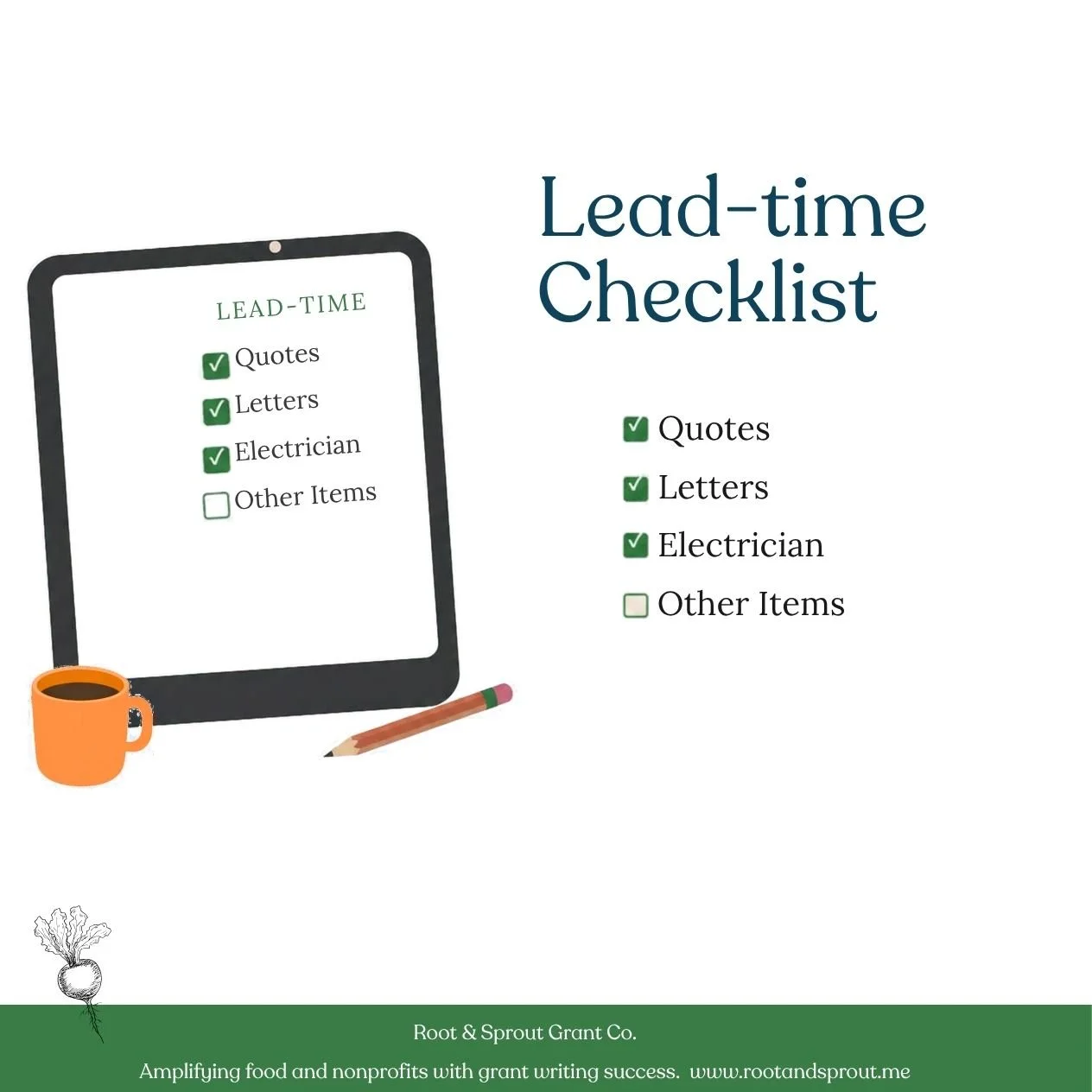
Planning is its own kind of cultivation—slow, steady work that takes root long before the deadline.
Planning a project 6-12 months ahead may feel like overkill, but anyone who has scrambled to pull quotes, alert their team, or track down an electrician the week a grant opens knows how quickly time disappears. You find a grant that fits your farm, the window opens, and suddenly you’re trying to build a project in real time. By then, the clock has already run out. Most grants reward the farms that started planning and shaping their ideas long before the application goes live.
Every farm is different. You might grow vegetables or berries, raise livestock, produce milk or cheese, or farm shellfish. The details shift, but the early questions are the same. Even a simple project needs room to breathe. Even a small equipment purchase comes with its own lead‑time: quotes, staff buy‑in, letters of commitment, shipping, and the logistics of getting someone on site. None of that happens overnight.
Six months to a year out is when you start asking how the idea fits into your system. If you bring in a new piece of equipment, what changes downstream? Does it increase production, save labor, or open a new market? And if production goes up, can the rest of your operation handle the increase? More milk means more storage and a buyer willing to take the added volume. More produce means more cold space and another outlet. Maybe a second farmers market? But a second market also means staff, transportation, and the reality of food loss on hot days. Your version of this question will look different, but the principle is the same: follow the increase and make sure the rest of your system can carry it.
Success also needs a definition. Before you apply, decide what you want the project to accomplish and how you’ll measure it. That means knowing your baseline and having a way to count the added volume once the project is underway. It takes time in front of Excel, testing numbers, looking at income and expense projections, and seeing what holds. It’s worth every minute.
And then there are the people. Farms need buy‑in from staff or family. Food hubs and networks need board support. Larger ideas, especially those aimed at building community resiliency, may need partners, sometimes several, with one lead applicant. Those relationships take time to build.
This is the heart of being grant-ready. You don’t need perfection. You need preparation. Starting early gives your project space to grow into something fundable, realistic, and aligned with your farm’s future.